Planning Systems
Planning that survives a real day, not an ideal one. These guides cover flexible daily plans, realistic time estimates, planning around energy rather than hours, and to-do lists that do not create more pressure than they remove.

The One-Thing Method for Days With Too Many Priorities
Choose one meaningful priority without pretending the rest of your responsibilities do not exist.
Decision Fatigue: Signs, Causes, and a Simpler Daily Plan
Reduce unnecessary choices with defaults, decision windows, and a shorter daily planning routine.
Time Blocking for ADHD: A Flexible Alternative to a Perfect Schedule
Use flexible time windows, buffers, and reset points without turning the day into a rigid timetable.
Executive Functioning Skills for Adults: What Actually Builds Them
Practical executive functioning skills for adults — find the step that breaks, then change the conditions rather than trying to train focus directly.
How to Make a To-Do List That Does Not Create More Overwhelm
Turn a crowded backlog into a short, visible today plan with a safe place for everything else.
How to Plan Tomorrow in Five Gentle Minutes
Create a realistic tomorrow plan with one priority, one maintenance task, and one prepared first action.
Planning Fallacy: Why Tasks Take Longer Than Expected
Improve estimates with reference tasks, outside-view evidence, and a distinction between work time and calendar time.
ADHD-Friendly Planning Without a Rigid Schedule
ADHD-friendly planning makes the next action visible while leaving room for changing attention, energy, and real-life interruptions.

A Daily Focus Planner That Still Works on Low-Energy Days
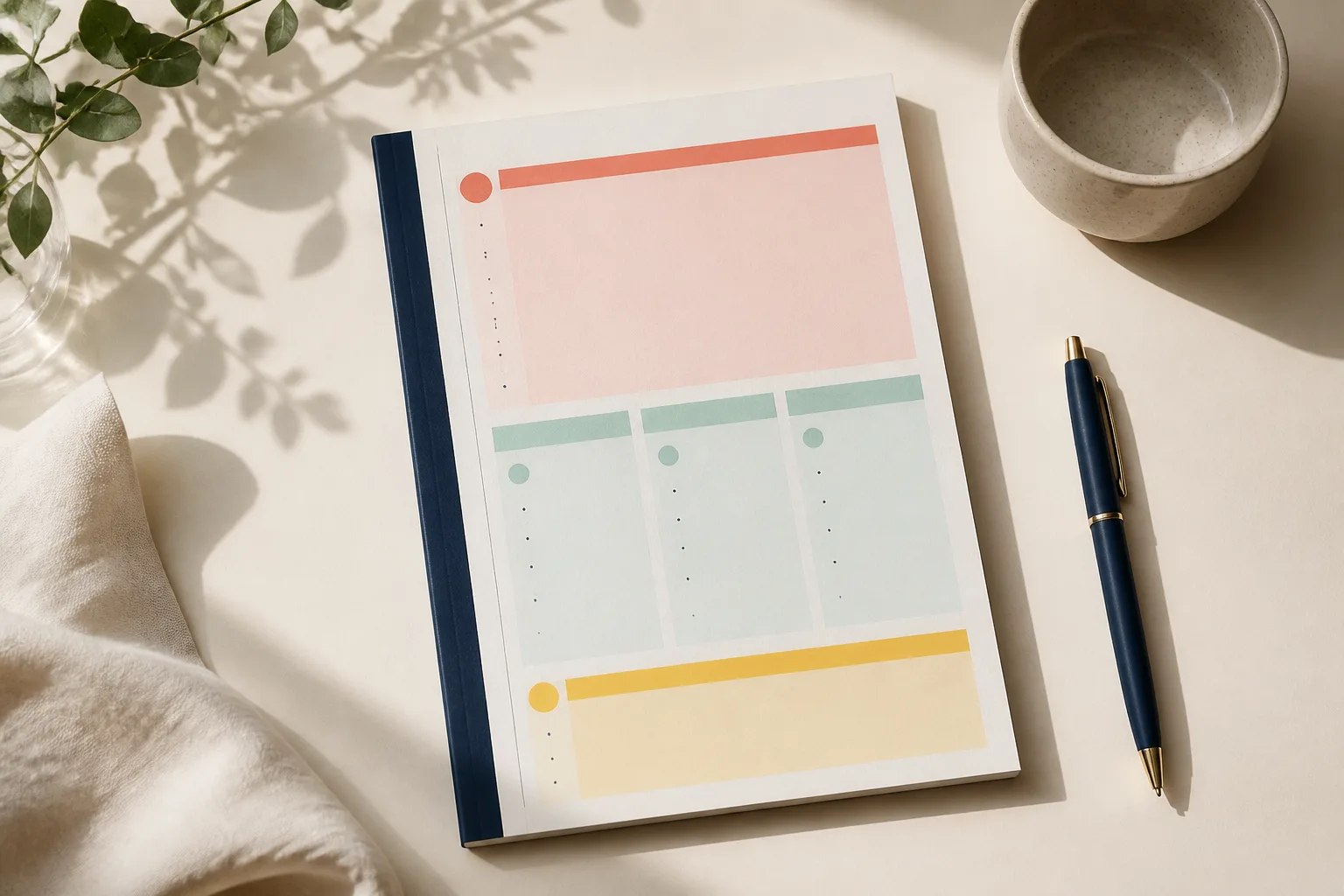
A useful daily plan should reduce decisions, not become another complicated task. Try this three-level structure.